
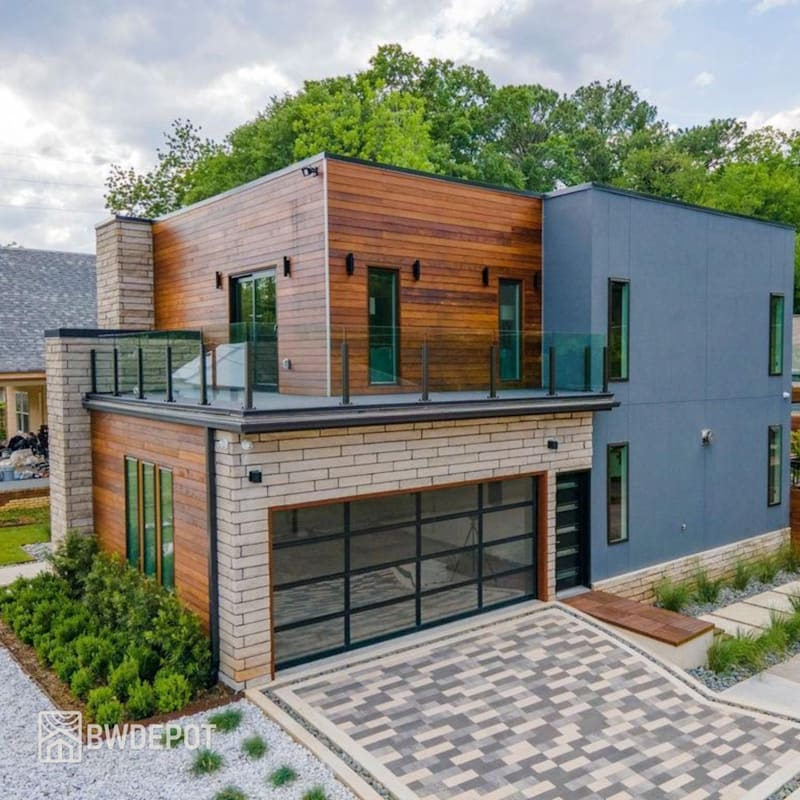
Natural hardwood can completely change the character of a home’s exterior. Instead of the uniform appearance associated with many manufactured cladding products, real wood introduces variations in grain, color, and texture that make each installation unique. For projects where durability is just as important as appearance, Ipe is one of the premium hardwood species worth considering.
Ipe is an exceptionally dense Brazilian hardwood commonly used for exterior decking, siding, fencing, and other demanding outdoor applications. Its natural resistance to insects, rot, moisture, and wear has helped make it a popular material for projects intended to perform for decades.
Before selecting Ipe Siding, however, it is important to understand how the wood behaves, how a rainscreen system works, and how installation decisions can affect the finished exterior.
1. Expect Natural Variation Between Boards
Ipe is a natural product, so homeowners should not expect every board to have exactly the same color or grain. Typical coloration ranges from medium brown to deep chocolate, with individual pieces potentially displaying olive, amber, or reddish undertones.
This variation is one of the characteristics that separates genuine hardwood from manufactured materials. Once installed across a larger wall, the differences between boards create subtle visual depth and architectural character.
2. Understand How Ipe Changes Outdoors
The appearance of freshly installed Ipe is not necessarily its permanent appearance. Exposure to ultraviolet light gradually changes the surface color of the wood.
If the siding is allowed to weather naturally without UV-protective oil, the original brown coloration will eventually develop into a silver-gray patina. This transformation is primarily cosmetic and should not automatically be interpreted as deterioration of the hardwood.
Owners who prefer the original brown appearance can periodically clean the siding and apply an appropriate UV-protective hardwood oil. Those who prefer naturally weathered architecture can allow the siding to gray.
3. Think About Ventilation Behind the Siding
Choosing a durable hardwood is only part of creating a successful exterior wall. Moisture management behind the siding is also important.
A true rainscreen installation places the siding over furring strips, producing a continuous air cavity between the hardwood and the wall assembly. This space gives incidental moisture a pathway to drain while allowing air to circulate behind the boards.
Because wood naturally responds to moisture, providing airflow behind the material can help it dry more evenly. The rainscreen concept therefore addresses more than appearance; it is an important part of how the complete exterior system is designed.
4. Plan Fastening Before Installation Begins
Ipe’s exceptional density contributes to its durability, but that same density means installation methods should be selected specifically for hardwood.
Brazilian Wood Depot’s Real RainScreen Siding profile is designed to work with proprietary H-Clips. The concealed fastening approach avoids rows of exposed screws across the face of the boards while maintaining the spacing needed for the rainscreen installation.
Planning fastening, furring, corners, windows, doors, trim, and transitions before installation can produce a cleaner finished façade and reduce unnecessary changes during construction.
5. Consider Where Hardwood Will Have the Most Impact
An entire building does not necessarily need to be covered with hardwood. Ipe can also be incorporated selectively as an architectural accent.
Entryways, covered outdoor living areas, second-story sections, exterior feature walls, architectural projections, and transitions between other cladding materials can all provide opportunities to introduce natural hardwood.
Ipe’s brown tones pair especially well with materials such as stone, concrete, stucco, glass, steel, and dark metal trim. This makes the species suitable for both contemporary designs and more traditional homes that need a natural exterior element.
6. Treat Siding as a Complete System
Premium hardwood alone does not guarantee a successful exterior. Long-term performance also depends on ventilation, drainage, fastening, wall preparation, trim details, exposure conditions, and installation quality.
Considering these factors together helps homeowners, architects, and contractors take advantage of the characteristics that make Ipe valuable in the first place.
Contact Brazilian Wood Depot
Brazilian Wood Depot specializes in premium Brazilian hardwood products, including exterior siding, decking, fencing, tongue-and-groove material, deck tiles, dimensional lumber, fasteners, and accessories. The company maintains inventory at its Atlanta location and offers nationwide jobsite delivery.
Brazilian Wood Depot
6770 Buford Highway NE
Atlanta, GA 30340
Phone: 770-242-0045
Email: [email protected]
Hours: Monday-Friday, 7:00 a.m.-3:00 p.m. EST
For buyers considering natural exterior cladding, understanding Ipe’s appearance, weathering, ventilation requirements, and fastening system before construction begins can help create a more successful and attractive long-term installation.
About the Author


